Community Assessments Guiding Incentive Alignments in Hybrid Reel and Table Ecosystems Worldwide
Uma Klein · Sep 21, 2026
Community Assessments Guiding Incentive Alignments in Hybrid Reel and Table Ecosystems Worldwide
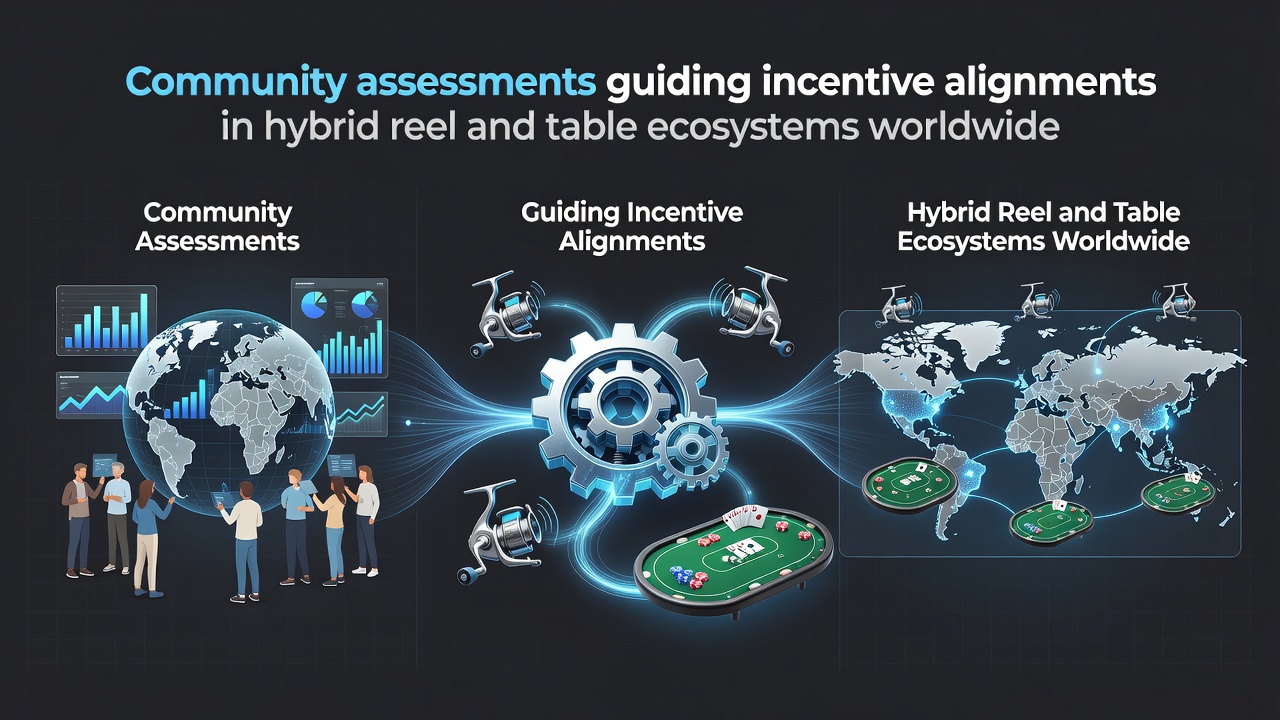
Community assessments serve as structured evaluations that collect input from players and operators to refine incentive programs across hybrid reel and table gaming setups, and these processes integrate data from both digital slots and physical table environments to create balanced reward systems that operate in multiple regions simultaneously.
Defining Community Assessments in Gaming Contexts
Operators conduct surveys, focus groups, and behavioral tracking sessions that gather preferences from diverse player bases, while regulators in places like Nevada and parts of Australia compile these findings into reports that highlight patterns in how participants engage with reel mechanics alongside table interactions. Data from these assessments reveals which bonus structures encourage longer session times without disrupting the core appeal of either format, and researchers note that feedback often points toward layered rewards where reel spins unlock table game credits or vice versa.
Figures from industry monitoring groups show participation rates in assessment programs rising steadily through 2025, and this trend continues into 2026 with particular emphasis on cross-platform compatibility. In September 2026, several regulatory updates are scheduled to incorporate new assessment protocols that prioritize real-time player input through mobile interfaces connected to both online reels and live dealer tables.
Incentive Alignment Mechanisms
Incentive alignments emerge when assessment results directly inform adjustments to reward tiers, such as multiplier bonuses that scale based on combined reel and table activity, and operators apply these changes after reviewing aggregated community responses that emphasize fairness and accessibility. Studies indicate that players respond positively to systems where feedback loops allow quick modifications, for instance when a high volume of responses highlights dissatisfaction with certain jackpot triggers in hybrid mobile setups.
Take one operator in the Asia-Pacific region who adjusted table minimums after assessments showed reel players preferred entry points that matched their digital spending habits, and this shift led to measurable increases in overall engagement metrics tracked across multiple venues. What's interesting is how these alignments extend to seasonal events where community data guides temporary incentive boosts that coordinate reel feature unlocks with table side bets.
Global Ecosystem Variations
Hybrid ecosystems in North America often blend land-based table floors with app-based reel collections, whereas European markets emphasize regulated online hybrids that incorporate live table streams, and assessment practices adapt accordingly to local regulatory frameworks. In Canada, provincial bodies review community input to align incentives that support both video lottery terminals and traditional table offerings, while Australian jurisdictions track similar data to balance poker machine rewards with live gaming tables.
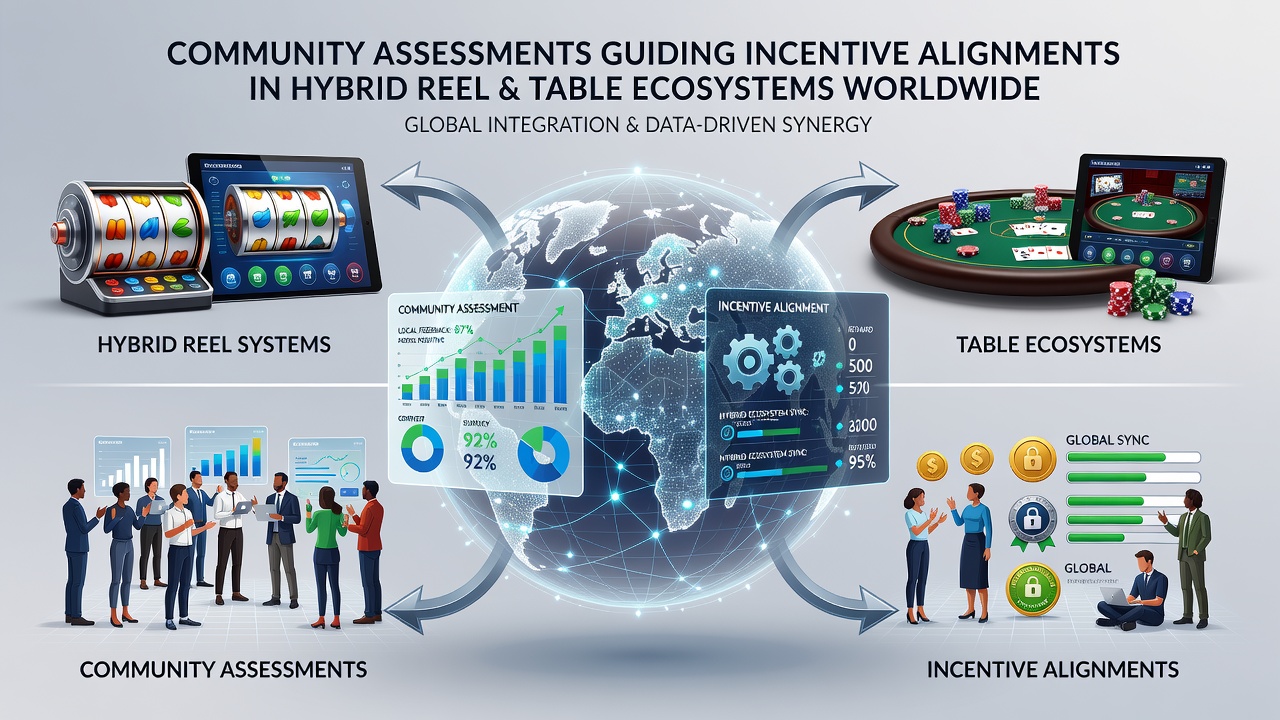
According to reports from the Nevada Gaming Control Board, community assessments conducted in 2025 identified specific preferences for incentive portability across devices, and these findings prompted updates that link reel progressions to table loyalty points in integrated systems. Researchers from academic institutions in Australia have documented parallel developments where player surveys guide the rollout of multiplier chains that activate during live table sessions based on prior reel performance.
Technological Integration and Data Flow
Advanced platforms process assessment data through secure analytics tools that map player journeys across reel and table environments, allowing operators to synchronize incentives without manual intervention in most cases. This integration supports features like shared progress bars that reflect both digital spins and physical table results, and community feedback frequently refines the weighting of these elements to prevent one format from overshadowing the other.
Patterns emerge in how assessments highlight regional differences, such as stronger emphasis on social table elements in certain markets compared to solo reel play elsewhere, and operators use this information to calibrate bonus activations accordingly. Data shows that when assessments incorporate demographic breakdowns, incentive alignments become more precise, targeting specific groups with tailored reel-table hybrid offers that maintain engagement across time zones.
Future Developments in Assessment Practices
Ongoing refinements to assessment methodologies include expanded use of anonymized transaction data alongside direct surveys, which provides a fuller picture of incentive effectiveness in hybrid settings worldwide. In September 2026, international gaming conferences are expected to present updated frameworks that standardize how community input translates into incentive adjustments, drawing from experiences in multiple jurisdictions to create adaptable models.
These developments build on existing practices where assessment outcomes have already shaped policies around reward transparency and cross-format compatibility, ensuring that reel and table ecosystems evolve in tandem rather than in isolation. Observers note continued growth in the application of these methods as more markets adopt hybrid approaches that rely on player community insights for sustained alignment.
Conclusion
Community assessments continue to function as key drivers for incentive alignments within worldwide hybrid reel and table ecosystems, supplying the data necessary for operators and regulators to maintain balanced and responsive reward structures across varied formats and regions. The integration of these evaluations supports ongoing adaptations that reflect actual player behaviors while meeting regulatory requirements in diverse locations.